
Hydration for Wellness: Daily Hydration Tips & Benefits

Key Takeaways
Hydration supports energy, digestion, and brain performance
Most adults need ~2–3+ litres/day from drinks + foods
Water is best daily; electrolytes help after heavy sweating
Pale yellow urine usually signals good hydration
Table of Contents
What Is Hydration?
Hydration is maintaining enough fluid in your body—mostly water—so your cells, organs, and systems function properly.
Being well hydrated helps your body:
Regulate temperature
Deliver nutrients
Support circulation
Remove waste
Maintain energy and focus
What Is the Definition of Being Hydrated?
You’re generally hydrated when your fluid levels support normal physical and mental function. Practical signs include:
Pale yellow urine
Minimal intense thirst
Steady energy
Fewer dehydration-related headaches or dry mouth
What Is Proper Hydration?
Proper hydration means replacing fluids you lose through breathing, sweat, urination, and digestion—adjusting intake for exercise, weather, and illness.
Why Is Hydration Important?
If you’re wondering why it’s important to stay hydrated, the answer is simple: your body depends on proper fluid balance to regulate temperature, protect vital organs, and sustain energy levels.
Hydration supports far more than sports performance — it affects daily energy, digestion, cognitive clarity, and overall body function.
1. Supports vital organ function
Water helps maintain blood volume and supports the kidneys in filtering waste. Low hydration can strain circulation and increase risk of issues like kidney stones and UTIs.
2. Regulates body temperature
Sweating is your cooling system. Without enough fluid, your body struggles to regulate heat—especially during exercise, hot Canadian summers, or illness.
3. Maintains energy and physical performance
Even mild dehydration can reduce endurance and increase fatigue. Hydration supports oxygen delivery to muscles and electrolyte balance.
4. Supports brain function and mood
Mild dehydration can affect focus, alertness, and mood—and headaches are a common early sign.
5. Aids digestion
Water supports digestion and helps prevent constipation.
6. Helps remove waste
Fluids support waste removal through urine, sweat, and bowel movements.
7. Protects long-term health
Chronic low hydration may contribute to recurring fatigue and urinary/kidney issues over time.
Benefits of Staying Hydrated
The benefits of staying hydrated extend beyond thirst — they affect energy, digestion, and long-term health.
Key benefits of hydration include:
More stable energy and focus
Better exercise performance and recovery
Improved digestion and regularity
Better temperature regulation and kidney support
How Much Water Do You Need Per Day?
If you’re wondering how much water you need per day to stay hydrated, these general ranges are a practical starting point.
| Group | Litres Per Day | Approx. Cups (250 mL each) | Total mL Per Day |
|---|---|---|---|
| Women | 2.2–2.7 L | 9–11 cups | 2,200–2,700 mL |
| Men | 2.5–3.7 L | 10–15 cups | 2,500–3,700 mL |
Individual needs vary based on activity level, climate, and health status.
Increase fluids if you…
Exercise or sweat heavily
Live in hot/dry conditions or heated indoor air
Are pregnant/breastfeeding
Have fever, vomiting, or diarrhea
Simple hydration check
Pale yellow urine and consistent urination are simple signs you’re well hydrated.
Do coffee and tea count?
Yes. Most beverages contribute to total daily fluid intake, though water remains the simplest and healthiest default.
Easy routine
Drink water on waking, with meals, and during or after exercise to spread intake evenly throughout the day.
What’s the Best Way to Hydrate Your Body?
If you’re looking for how to hydrate your body, aim for steady intake and adjust for sweat loss.
Sip regularly instead of chugging occasionally.
Use electrolytes when needed (heavy sweating, intense exercise, heat, illness recovery).
Eat water-rich foods (fruit, soups, vegetables).
Adjust for climate (hot weather and dry indoor winter air increase needs).
Make it automatic (carry a bottle, pair water with meals/routines).
If you’re trying to deeply hydrate your body after heavy sweating, combining water with electrolytes may improve retention.
Hydration Tips for Wellness
Staying hydrated is one of the simplest ways to support daily wellness. These hydration tips for wellness make daily fluid intake easier and more consistent.
Drink a glass of water within 30 minutes of waking
Keep a water bottle visible (desk, car, gym bag)
Link water to routines (meals, coffee brewing, meetings)
Add water-rich foods (fruit, soups, vegetables)
Increase fluids on workout days and during dry Canadian winters
Use electrolytes strategically after heavy sweating or intense exercise
What Hydrates the Body Fastest?
For most people, plain water rehydrates efficiently. However, the fastest option depends on whether you’ve also lost electrolytes through heavy sweating, heat exposure, or illness.
Does Water Hydrate Quickly?
Yes. Water is absorbed rapidly through the digestive tract, and mild dehydration often improves within 30–60 minutes after drinking.
When Electrolytes Hydrate Faster Than Water
After heavy sweating, heat exposure, or illness, you lose both fluids and electrolytes. In those situations, drinks containing sodium and other electrolytes may improve fluid retention and support faster rehydration compared to water alone.
What Is the Fastest Drink to Hydrate Your Body?
For rapid rehydration after fluid loss:
| Drink | Best For | Hydration Speed |
|---|---|---|
| Water | Daily hydration, mild dehydration | Fast |
| Electrolyte Drinks | Heavy sweating, heat exposure | Faster fluid retention than water |
| Oral Rehydration Solutions (ORS) | Illness (vomiting or diarrhea) | Medical-grade rehydration |
| Milk | Post-exercise recovery | Moderate (supports retention) |
How to Hydrate More Quickly
If you need to rehydrate efficiently:
Take small, frequent sips rather than chugging large amounts
Include electrolytes if you’ve been sweating heavily
Avoid high-sugar drinks, which can slow absorption
Pair fluids with light food if tolerated
Drinking too much too quickly can cause discomfort and may increase urination without improving hydration.
How Long Does It Take for Water to Hydrate You?
The timeline varies depending on how dehydrated you are.
Mild dehydration: 30–60 minutes for noticeable improvement
Moderate dehydration: Several hours of steady fluid intake
Severe dehydration: May require medical treatment
What Are the Best Drinks for Hydration?
If you’re wondering what drinks hydrate you the most, water and electrolyte-based beverages are generally the most effective options.
For everyday needs, plain water remains the top hydration choice, while other beverages may be useful depending on sweat loss, climate, or activity level.
1. Water (Best for Daily Hydration)
Water is calorie-free, sugar-free, and effective for maintaining daily fluid balance. For most people, water is the healthiest hydration drink for everyday use.
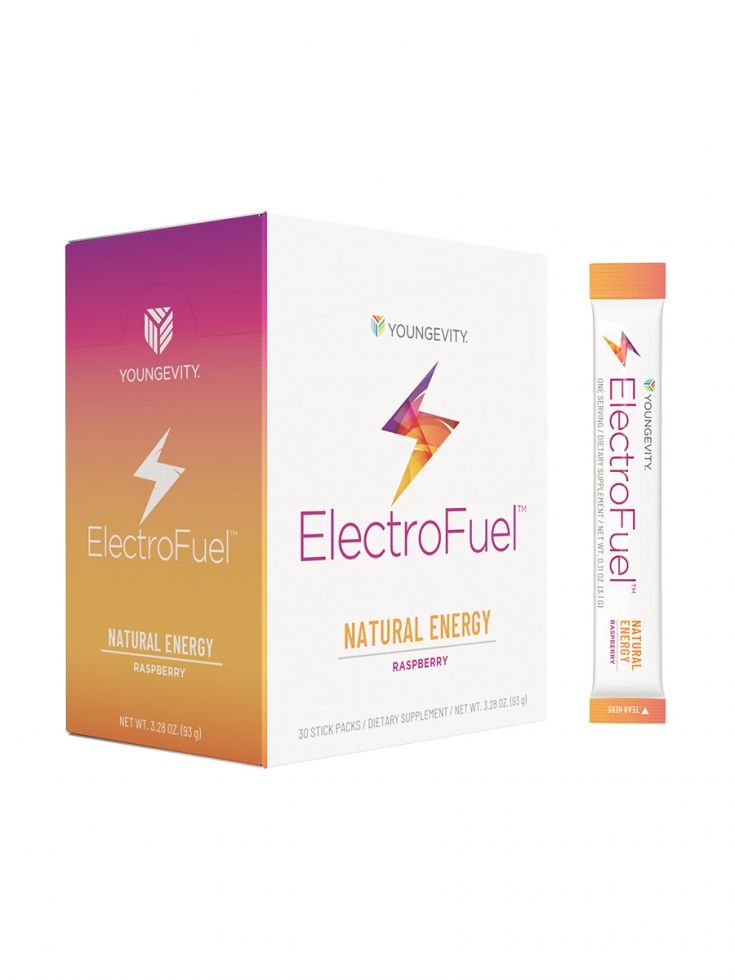
Fuel your day the natural way with ElectroFuel™—a hydrating electrolyte drink mix designed to support energy, hydration, and daily performance. Now available across Canada, ElectroFuel™ delivers a balanced blend of B vitamins, minerals, and plant-based caffeine in a refreshing raspberry flavour. Enjoy smooth, crash-free energy—anytime, anywhere. Order today and feel the difference.
Health Benefits
Crash-Free Energy: Natural caffeine from coffee beans, guarana, and yerba mate for sustained energy without jitters or crash
Hydration Support: Electrolytes like potassium, sodium, and magnesium help maintain fluid balance and muscle function
Nutrient Support: B vitamins (B6, B12, niacin, pantothenic acid) help convert food into energy and support daily wellness
Cognitive Function: With BioPerine® to help support nutrient absorption and cognitive function
On-the-Go Convenience: Low-sugar raspberry flavour in portable stick packs with no artificial ingredients
Shipping & Returns
Free Shipping: Available on all orders.
Fast Shipping: Ships within 2-4 business days.
Satisfaction Guaranteed: 60-Day Money Back Guarantee.
Experience clean, natural energy—delivered in a hydrating, low-sugar drink Canadians love. Order ElectroFuel™ today and stay energized wherever life takes you.
2. Electrolyte Drinks (Best After Heavy Sweating)
After intense exercise, heat exposure, or illness, electrolyte-containing beverages may support better fluid retention than water alone.
Electrolytes such as sodium, potassium, and magnesium help maintain fluid balance and muscle function.
For Canadians looking for low-sugar electrolyte support, products like ElectroFuel™ combine:
Electrolytes (potassium, sodium, magnesium)
B vitamins to support energy metabolism
Plant-based caffeine for sustained energy
BioPerine® to support nutrient absorption
Low-sugar electrolyte drinks can be useful during workouts, long days, or periods of high fluid loss.
3. Oral Rehydration Solutions (Best for Illness)
When dehydration results from vomiting or diarrhea, medically formulated oral rehydration solutions (ORS) are often most effective due to their precise electrolyte balance.
4. Milk (Surprisingly Hydrating)
Milk contains natural electrolytes, carbohydrates, and protein, which may support fluid retention after exercise.
5. Coconut Water
Coconut water provides potassium but may not contain enough sodium for heavy sweat loss.
6. Herbal Tea
Herbal teas contribute to daily fluid intake and can make hydration easier for people who prefer flavor.
What Hydrates Better Than Water?
In everyday situations, water is highly effective. After heavy sweating or illness, electrolyte-containing drinks may improve fluid retention.
What Can You Drink Every Day to Stay Hydrated?
For daily hydration:
Water
Sparkling water
Herbal tea
Milk
Low-sugar electrolyte beverages (when needed)
Water remains the simplest and healthiest default.
The best drinks for hydration depend on your lifestyle and fluid losses. Water remains the gold standard for daily use. When additional support is needed—especially for active individuals—electrolyte-enhanced options like ElectroFuel™ can help support both hydration and sustained energy.
Signs and Symptoms of Dehydration
| Dehydration Stage | Common Signs and Symptoms |
|---|---|
| Mild | Thirst, headache, dry mouth, dark yellow urine |
| Moderate | Reduced urination, fatigue, dizziness, weakness |
| Severe | Confusion, rapid heartbeat, very little urination, fainting, low blood pressure |
Dehydration ranges from mild to severe. Early recognition makes it easier to correct.
Five common warning signs include persistent thirst, dark urine, reduced urination, fatigue, and headache.
Chronic Mild Dehydration
Ongoing low fluid intake may contribute to:
Persistent fatigue
Difficulty concentrating
Constipation
Frequent headaches
Increased kidney stone risk
Severe Dehydration in Older Adults
Older adults are at higher risk due to reduced thirst sensation and medication effects.
Older adults may show dehydration differently. Confusion, unusual drowsiness, sudden weakness, or very low urine output may be early warning signs. Because thirst sensation decreases with age, symptoms can appear quickly.
Severe dehydration requires medical attention.
When to Seek Medical Care
Seek medical care if dehydration includes:
Inability to keep fluids down
Very little urine output
Rapid pulse
Severe dizziness or confusion
Hydration for Kids and Older Adults
Children and older adults are more vulnerable to dehydration because they may not recognize or communicate thirst clearly.
Hydration for Kids
Children lose fluids quickly through activity, heat, and illness.
Support hydration by:
Offering water regularly
Encouraging fluid breaks during sports
Providing water-rich foods
Increasing fluids in hot weather
Water should be the primary daily beverage.
How to Check for Dehydration in Toddlers
Watch for:
Fewer wet diapers (fewer than 3–4 in 24 hours)
Dry mouth or cracked lips
No tears when crying
Sunken eyes
Unusual sleepiness
Dark urine may signal dehydration.
How Toddlers Act When Dehydrated
A dehydrated toddler may:
Be irritable
Appear lethargic
Refuse fluids
Cry without tears
Show reduced interest in play
Seek medical care if symptoms worsen.
Hydration Considerations for Older Adults
Older adults may experience:
Reduced thirst sensation
Increased urination from medications
Mobility limitations affecting fluid access
To support hydration:
Offer fluids throughout the day
Keep water accessible
Include soups and herbal teas
Monitor urine color and frequency
Sudden confusion or weakness may signal dehydration.
Hydration for kids and older adults requires proactive attention. Because these groups may not feel or express thirst clearly, caregivers should monitor intake and watch for early warning signs. Preventing dehydration is far easier than treating it once symptoms escalate.
Frequently Asked Questions
Below are concise answers to common hydration questions. These responses are designed to address high-intent search queries clearly and directly.
What are the five warning signs of dehydration?
Five warning signs of dehydration include persistent thirst, dark yellow urine, fatigue, headache, and dry mouth or lips. Increasing fluid intake early can help prevent symptoms from progressing.
What are 7 physical signs of severe dehydration?
Seven signs of severe dehydration include very little urination, extremely dark urine, rapid heartbeat, low blood pressure, confusion, sunken eyes, and extreme weakness or fainting. Severe dehydration requires medical attention.
What hydrates better than water?
For daily hydration, water is highly effective. After heavy sweating or illness, drinks containing electrolytes may improve fluid retention and support faster recovery.
How long does it take for water to hydrate you?
Water begins absorbing within minutes. Mild dehydration may improve within 30–60 minutes, while more significant dehydration can take several hours of steady fluid intake.
Does dehydration cause diarrhea?
Dehydration does not usually cause diarrhea. More commonly, diarrhea leads to dehydration due to fluid loss, so replacing fluids and electrolytes is important.
Can dehydration cause ear pain?
Dehydration does not directly cause ear pain, but it may contribute to headaches or sinus pressure that create discomfort around the ears. Persistent ear pain should be evaluated by a healthcare professional.
How do toddlers act when dehydrated?
A dehydrated toddler may become irritable, lethargic, or less interested in play. Other signs include fewer wet diapers, dry mouth, crying without tears, and dark urine. Seek medical care if symptoms worsen.
Resources
Drinking Enough Water. Health Link BC. 2023.
How Much Water Should You Drink to Stay Hydrated? Reader's Digest.
Nutrition and Healthy Eating. Mayo Clinic. 2022.
Make Water Your Drink of Choice. Canada's Food Guide. 2021.
15 Hydrating Foods. Verywell Health. 2024.
7 Science-Based Health Benefits of Drinking Enough Water. Healthline. 2023.
10 Reasons Why Hydration is Important. NCOA. 2025.
Why is Water Important? 16 Reasons to Drink Up. Healthline. 2023.
Why Is Water So Important? Here's What You Need to Know. Verywell Health. 2023.
ElectroFuel. Youngevity. 2025.
Vitamin B12 Fact Sheet. National Institutes of Health, Office of Dietary Supplement. 2024.
Pantothenic Acid. National Institutes of Health, Office of Dietary Supplement. 2021.
What Do Fats Do in the Body?. National Institute of General Medical Sciences. 2010.
Vitamin B6 Fact Sheet. National Institutes of Health, Office of Dietary Supplements. 2023.
Potassium Fact Sheet for Consumers. National Institutes of Health, Office of Dietary Supplements. 2021.
Tips to Prevent Cramps. Mass General Brigham, Wentworth-Douglass Hospital. 2024.
Iron and Physical Activity: Bioavailability Enhancers, Properties of Black Pepper (Bioperine®) and Potential Applications. National Library of Medicine. 2020.
Piperine, the Main Alkaloid of Thai Black Pepper, Protects Against Neurodegeneration and Cognitive Impairment in Animal Model of Cognitive Deficit Like Condition of Alzheimer's Disease. National Library of Medicine. 2010.
Magnesium Fact Sheet. National Institutes of Health, Office of Dietary Supplements. 2022.
Antioxidant Property of Coffee Components: Assessment of Methods that Define Mechanisms of Action. National Library of Medicine. 2014.
Yerba Mate as a Source of Elements and Bioactive Compounds with Antioxidant Activity. National Library of Medicine. 2022.
Antioxidant and Antimicrobial Activity of Guarana Seed Extracts. Science Direct. 2007.
This article is for educational purposes only and is not a substitute for professional medical advice. Individual hydration needs vary. Consult a healthcare provider if you have kidney, heart, or electrolyte-related conditions, or if symptoms of dehydration are severe or persistent.
-
101 Educational Series
- Aug 14, 2023 Cobalt Rich Foods: Benefits, Daily Requirement & Is It Safe?
- Jan 21, 2023 Selenium 101: How Much Selenium Do You Really Need?
- Jan 5, 2023 Zinc 101: How Much Zinc Do You Really Need?
- Jan 5, 2023 Sodium 101: How Much Sodium Do You Really Need?
- Jan 5, 2023 Potassium: Benefits, Deficiency, and the Best Supplements to Take
- Jan 5, 2023 Phosphorus 101: How Much Phosphorus Do You Really Need?
- Jan 5, 2023 How Much Magnesium Per Day Do You Need? Daily Intake, Deficiency Signs & Supplement Tips (Canada)
- Jan 5, 2023 Iron 101: How Much Iron Do You Really Need?
- Jan 5, 2023 Calcium 101: How Much Calcium Do You Really Need?
-
Health Risks
- Apr 24, 2025 What to Avoid for a Healthy Lifestyle: The 10 Bad Habits
- Mar 6, 2025 Dangerous Foods in Grocery Stores and What to Avoid
- Feb 7, 2025 The Dark Side of Soda – Hidden Dangers, Health Effects, and Better Alternatives
- Feb 3, 2025 The Hidden Dangers of Microplastics
- Jan 29, 2025 The Hidden Dangers of Fried Foods – Why Even "Cheating" Harms Your Health
- Jan 4, 2025 From Liver Damage to Cancer: The Dark Side of Drinking
- Nov 4, 2024 Sugar: The Silent Killer
- May 28, 2019 The 12 Bad Foods by Dr. Peter Glidden
-
Nutrition
- Jan 20, 2025 Hydration for Wellness: Daily Hydration Tips & Benefits
- Jan 15, 2025 Unlocking the Benefits of Apple Cider Vinegar for Your Health
- Sep 13, 2024 7 Powerful Reasons to Start Using Collagen Now
- Jan 27, 2023 Amino Acid Supplements: Are They Safe, Worth It, and Right for You?
- Jan 9, 2023 ZRadical™: Unlocking the Power of Fucoidan
- Jan 1, 2023 The 6 Essential Nutrients Your Body Needs
-
Youngevity Products
- Jan 13, 2025 The Top 7 Reasons to Supplement with Plant Derived Minerals
- Nov 10, 2024 What Are the Best Youngevity Products for Beginners?
- Nov 3, 2024 Top 7 Reasons to Supplement with Ultimate EFA Plus™
- Nov 1, 2024 Top 7 Reasons to Supplement with Beyond Osteo FX™
- May 22, 2024 Complete Guide to Beyond Tangy Tangerine® (BTT): Benefits, Reviews, Comparisons & FAQs
- Nov 14, 2022 How Much Youngevity Should You Take?
-
Fitness
- Jan 2, 2025 The Importance of Working Out as You Age
- Dec 20, 2024 The Transformative Benefits of Infrared Saunas
- Dec 20, 2024 Living a Healthier Life: How Yoga Can Transform Your Wellness
- Dec 4, 2024 Squash Sport: The Healthiest Workout You’ve Never Tried
-
Mood & Hormone Balance
- Jan 21, 2026 When Stress Feels Like Too Much (And What Helps)
- Jan 22, 2025 Balancing Hormones Naturally: What You Need to Know
- Feb 3, 2023 Youngevity’s XeraFem™: Natural Hormonal Support for Women
- Jan 30, 2023 Youngevity's XeraTest™: Natural Hormonal Support for Men
-
Product Comparisons
- Feb 22, 2026 Powerade vs Gatorade: Which is Better? (2026)
- Feb 18, 2026 Vitamin Water vs Gatorade vs Powerade: Which Is Better?
- Jan 9, 2023 Youngevity vs. AG1 Athletic Greens
- Nov 9, 2022 Visalus vs. USANA vs. Youngevity
-
Bone & Joint Health
- Feb 5, 2025 The Benefits of Glucosamine for Joint and Bone Health
- Sep 13, 2024 7 Powerful Reasons to Start Using Collagen Now
- Sep 11, 2024 Best Supplements for Joint Health, Comfort and Flexibility
-
Weight Loss
- Apr 18, 2025 Considering Weight Loss? Here’s What No One Tells You
- Nov 5, 2024 Your Ultimate Guide to Natural Weight Loss
- Jan 24, 2023 Slender FX™ REV: Unlocking Your Weight Loss Potential
-
Digestion
- Nov 7, 2024 How to Improve Your Digestive Health Naturally
- Jan 9, 2023 Ultimate Microbiome™: The Key to a Happy Gut
-
Energy
- Sep 10, 2024 Top 7 Ways to Boost Your Energy Levels
- May 22, 2024 Why Youngevity’s Rebound FX™ Is Canada’s Top Choice for Athletes
-
Health Issues
- Aug 18, 2023 Can Diet and Supplements Help Combat Night Blindness?
- Aug 11, 2023 How to Combat Dry Skin Naturally
- Immunity
-
Research
- Jan 1, 2020 Clemson University's Research on Youngevity® Products
- Jan 1, 2020 Youngevity's NSF and IFOS Certifications
- Essential Oils
